Spinners¶
Standard Operation Procedure:
Photo/EBL-resist Spinners
Section 1: Process Description¶
Brewer Science Spin Coater
There are three Brewer Science Cee spin coaters in the Lithography Bay. Two are integrated into the spinner, one designated for “photoresists” and one designated for “photo/other resist. There is a third stand-alone spin coater with an integrated hotplate that is dedicated for the spinning of electron beam resists. The tool is capable of spin coating substrates up to 7” square or 200-mm round and features high torque for maximum ramping capability. You can also spin coat smaller size substrates (\<1-cm through 200-mm) using a wide array of spin-coating chuck sizes. The precision hotplate has a temperature range from ambient to 300˚C with resolution of +/- 0.1˚C and uniformity of 0.3% across the working surface.
Two additional Brewer Cee spin coaters are located in the fume hoods in the lithography bay. Spin coater # 2 is dedicated for photoresist processing, and spin coater # 3 is dedicated to all other non-standard materials, such as spin-on glasses, PVA, PPC, charge spreading layers for e-beam, and 3D laser lithography resists. The tools are capable of spin coating substrates up to 7” square or 200-mm round and features high torque for maximum ramping capability. You can also spin coat smaller size substrates (\<1-cm through 200-mm) using a wide array of spin-coating chuck sizes.
Section 2: Safety Protocols¶
Chemical Hazards¶
Solvents¶
| Hazardous Chemical | Hazard Sign | Hazard Statements |
|---|---|---|
| Isopropanol [Isopropyl alcohol; 2-propanol] | 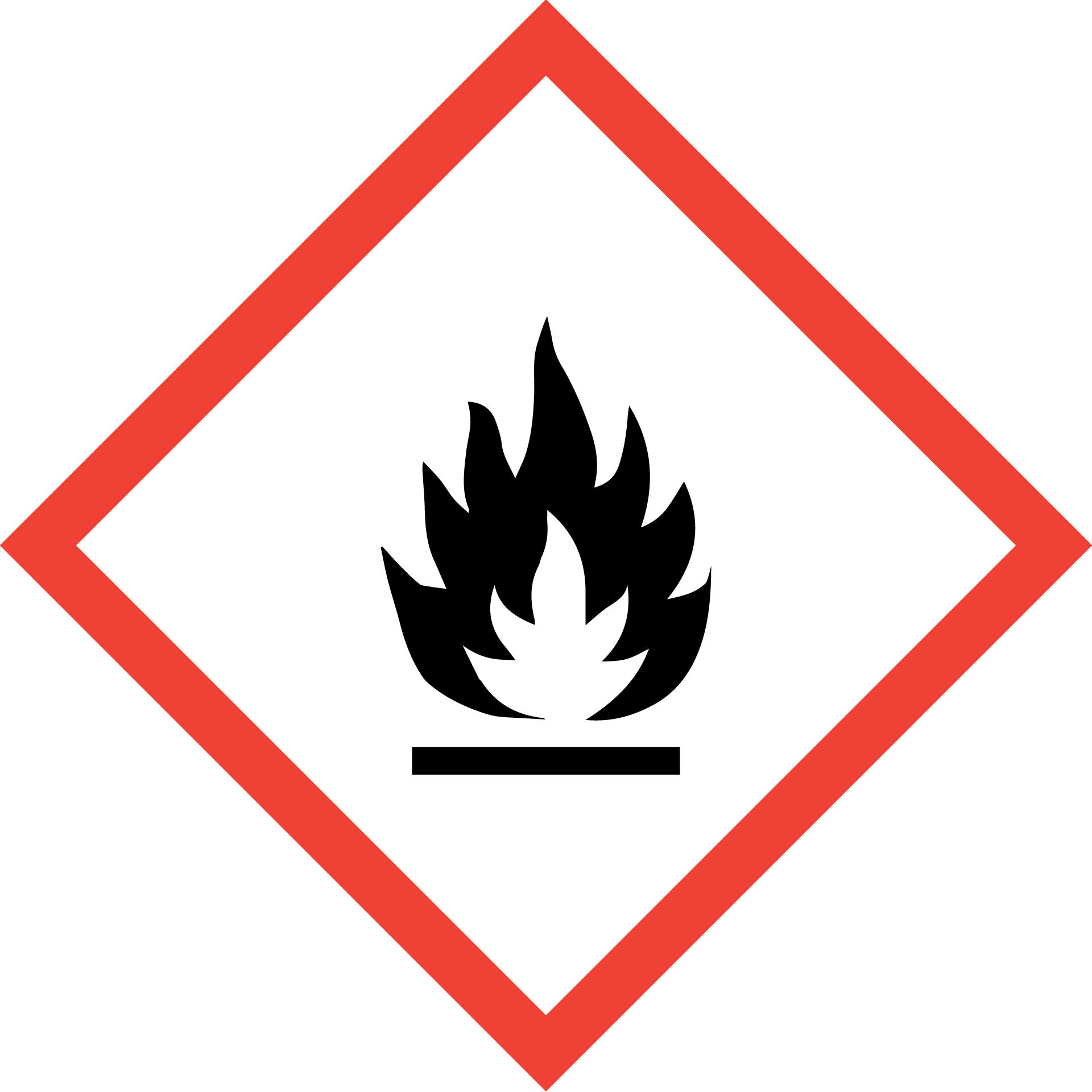  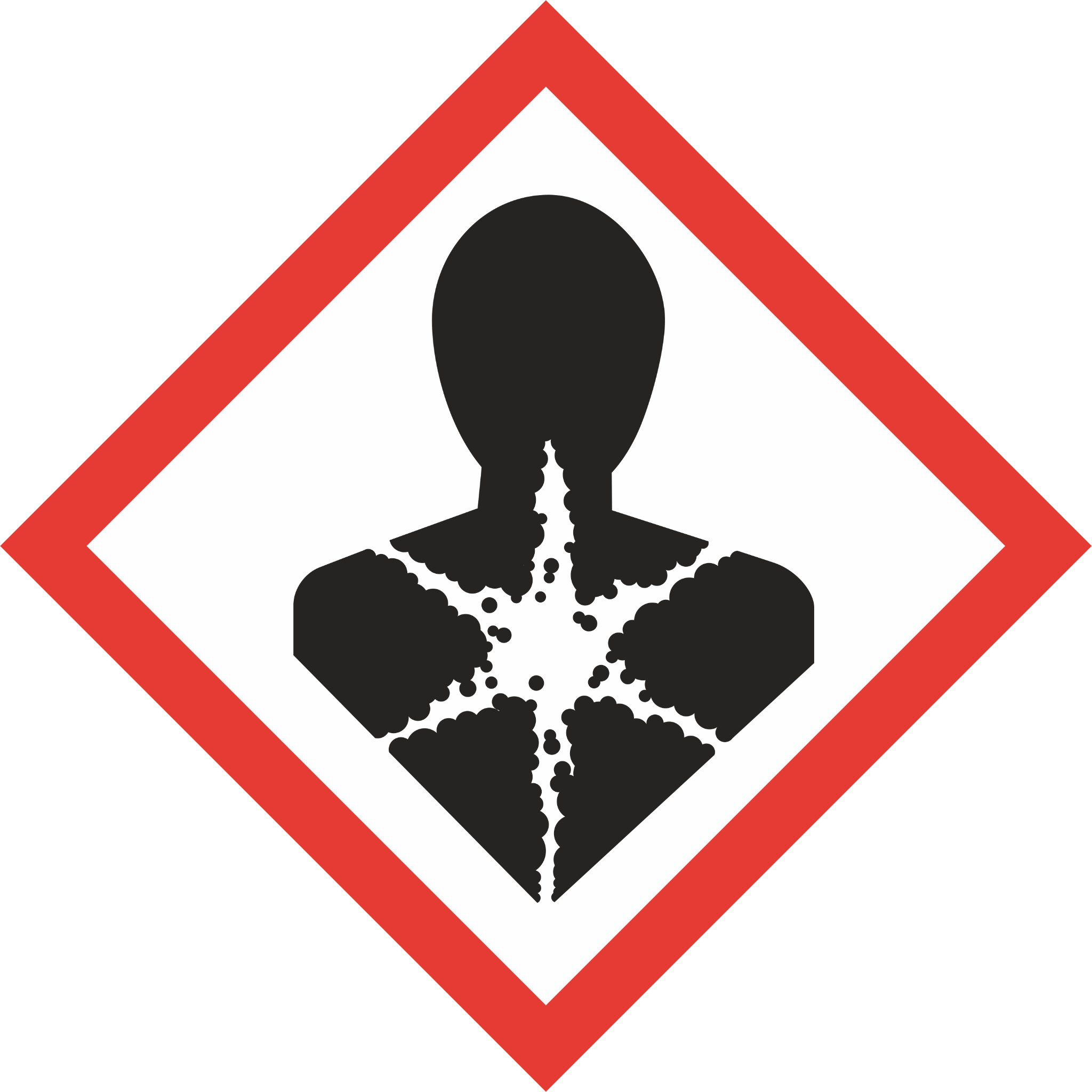 |
Highly flammable liquid and vapor Causes serious eye irritation May cause respiratory irritation May cause drowsiness or dizziness May cause damage to organs through prolonged or repeated exposure |
| Acetone [2-propanone; Dimethyl ketone] | |
Highly flammable liquid and vapor Causes serious eye irritation May cause drowsiness or dizziness May cause damage to organs through prolonged or repeated exposure Repeated exposure may cause skin dryness or cracking |
EBL Resists¶
| Hazardous Chemical | Hazard Sign | Hazard Statements |
|---|---|---|
| 495 PMMA A2, A4, A6 950 PMMA A2, A4 [contains: anisole; poly(methyl methacrylate] | |
Flammable liquid and vapor Harmful if inhaled Causes skin irritation Causes serious eye irritation May cause respiratory irritation |
| ma-N 2403 [contains: 1-methyl-2-pyrrolidone; n-butyl acetate; cyclohexanone] | |
Flammable liquid and vapor Causes skin irritation Causes serious eye irritation |
| ZEP 520A [contains: anisole] | |
Flammable liquid and vapor |
Photoresists¶
| Hazardous Chemical | Hazard Sign | Hazard Statements |
|---|---|---|
| AZ MiR 701 Photoresist [contains: ethyl lactate; n-butyl acetate] | |
Flammable liquid and vapor Causes skin irritation Causes serious eye irritation May cause respiratory irritation |
| AZ 1512, AZ 5214-E, AZ P4620 Photoresists | |
Flammable liquid and vapor Causes serious eye damage May cause respiratory irritation, drowsiness or dizziness |
| Megaposit SPR 220-3.0, 7.0 Photoresists [contains: ethyl lactate; anisole; 2-methyl butyl acetate; n-amyl acetate; 1,4-dioxane] | 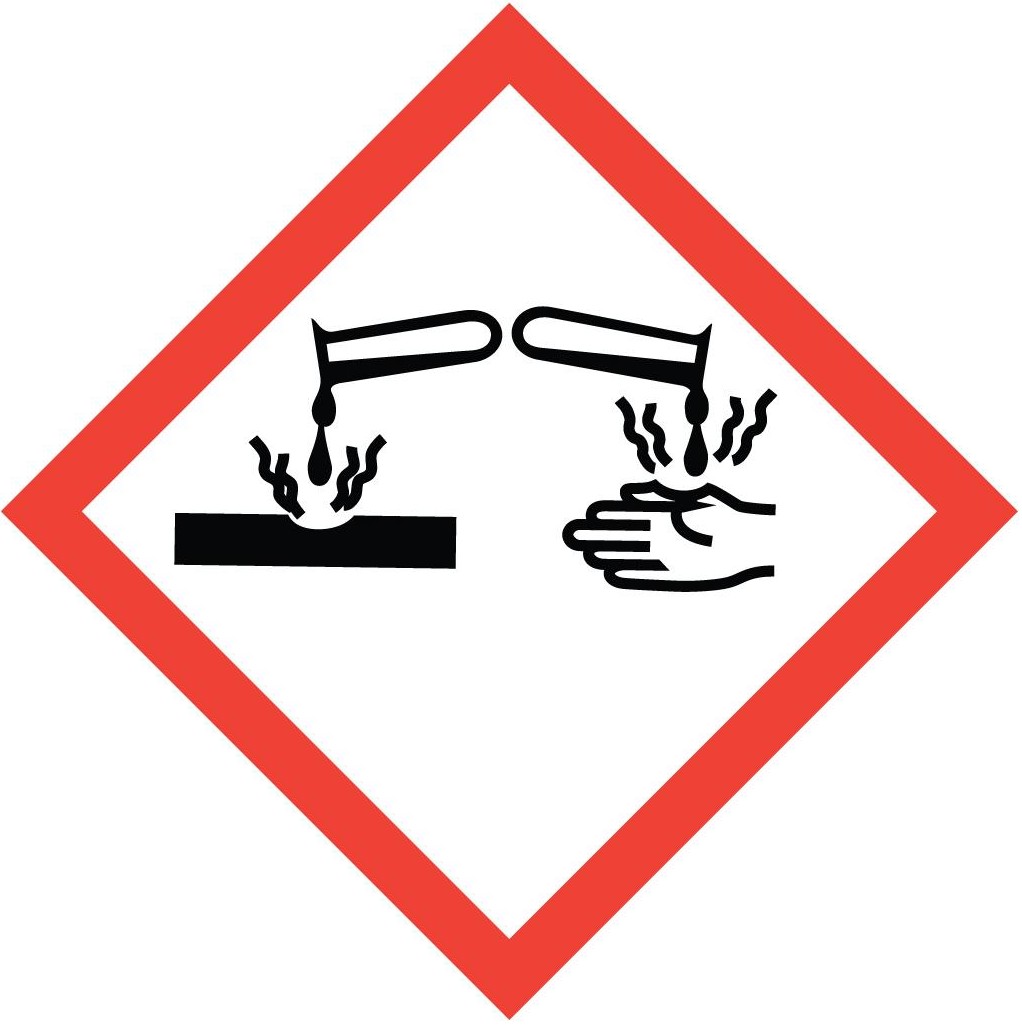 |
Flammable liquid and vapor Causes serious eye damage May cause respiratory irritation May cause cancer |
| Microposit S1813 Photoresist [contains: propylene glycol monomethyl ether acetate; methoxy-1-propanol acetate; 1,4-dioxane] | |
Flammable liquid and vapor May cause drowsiness or dizziness |
| AZ 125nXT-7A Photoresist [contains: 1-methoxy-2-propanol acetate; modified diacrylate; phenone derivative; triarylphosphine oxide] | 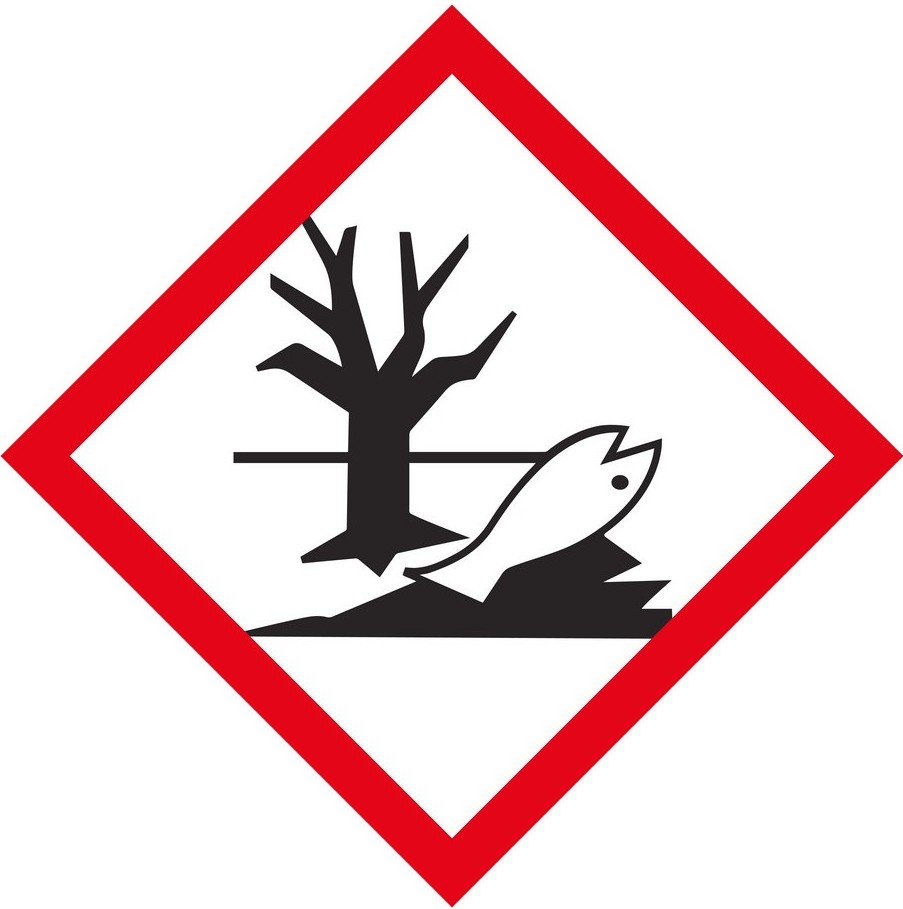 |
Flammable liquid and vapor Causes skin irritation May cause an allergic skin reaction Causes serious eye damage May cause respiratory irritation, drowsiness or dizziness Toxic to aquatic life with long lasting effects |
| SU-8 2002, 2005, 2010, 2025, 2050, 2100 Photoresist [contains: epoxy resin; cyclopentanone; hexafluoroantimonate salt; propylene carbonate; triarylsulfonium salt] | |
Flammable liquid and vapor Causes skin irritation Causes serious eye irritation May cause an allergic skin reaction Suspected of causing genetic defects Toxic to aquatic life with long lasting effects |
Physical Hazards¶
| Hazard | Hazard Sign | Hazard Statements |
|---|---|---|
| High velocity spinning |  |
High velocity objects can come loose from the spinner chuck if the vacuum fails while the spinner is in operation |
| Pressurized gas (for the hood spinners only) | |
Nitrogen guns in the hood are pressurized |
| Hotplate (for EBL spinner only) | 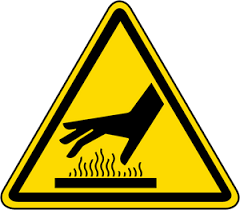 |
Hotplate is set to 180℃ at all times and can cause severe burns |
Routes of Exposure¶
There is a risk of skin or eye exposure when handling photoresists and solvents that can be mitigated by wearing proper PPE.
There is an inhalation risk when using photoresists and solvents, which must only be opened and handled under a fume hood to reduce or eliminate exposure. Check the photohelic exhaust monitor located at the top left corner of the fume hood to ensure that the exhaust is active and at an adequate level before doing any chemical work in the hood.
There is a risk of skin or eye exposure from splattering photoresist when using it in the spinner that can be mitigated by wearing proper PPE and only operating the spinner with its lid closed.
There is a risk of substrates flying off the spinner chuck at a high velocity and hitting a user if the vacuum fails while the spinner is in operation, which can be prevented by only operating the spinner with its lid closed.
There is a risk of launching objects by spraying them with the nitrogen guns in the spinner hood that can be mitigated by always aiming the nitrogen gun into the spinner hood and away from people.
There is a risk of severe skin burns if the hotplate with the EBL spinner is touched, which can be prevented by never by using tweezer when handling samples on the hotplate and never touching it directly with hands or other body parts.
Personal Protective Equipment Requirements¶
Users must be wearing the nitrile cleanroom gloves required throughout the cleanroom at all times. It is also recommended that users wear a second pair of gloves over the first pair. It is very easy to get photoresist on gloves when applying resists to samples. Wearing a second pair of gloves makes it easier to remove, dispose of and replace soiled gloves.
Safety glasses are required when using the spinners.
Waste Disposal¶
Dispose of gloves and wipes soiled with photoresists or solvents in a red hazardous waste bin.
Dispose of any used pipettes or swabs in the sharps waste container.
Dispose of used or failed substrates in a sharps waste container.
Section 3: Process¶
Procedure¶
Estimated Time: \<20 minutes
Material Requirements: substrate, tweezers, wafer holder, chuck and photoresist/coating liquid
Preparation
1. Remove appropriate photoresist from fridge and place under spinner fume hood. Allow photoresist to warm to room temperature (30 minutes).
2. Set hot plates to appropriate baking temperatures and label the set temperature on the knob.
3. Lay down aluminum foil in the spinner bowl.
Edit/Load Recipe
1. Press the Edit tab.
2. If editing an existing recipe:
a. Select Load, select the recipe to be edited, and press ENTER.
b. Select Edit Recipe.
c. Change the parameters and press Save. Enter the recipe name and press ENTER.
d. If you are changing an existing recipe, press Save and press ENTER and press Yes to overwrite the old recipe.
3. If creating a new recipe:
a. Enter process parameters.
b. Select Save, enter recipe name and press ENTER.
Load Sample
1. Open spinner door.
2. Attach appropriate size chuck for the substrate to be coated. Align the notch on the inside of the chuck with the pin on the spindle shaft.
3. Select the Run tab and press Run Spin Process.
4. Select Load and select recipe you wish to run and press ENTER.
5. Center substrate onto the chuck using the wafer holder.
6. Turn vacuum on by selecting HOLD. Tap bottom side of the wafer to ensure a strong vacuum seal.
7. Close spinner door.
8. Press OK and press Start Centering to center wafer.
a. If substrate is not centered, turn off vacuum, remove substrate and re-center substrate with the wafer holder.
b. Turn on vacuum and select Center.
c. Repeat until wafer is centered.
9. Spray nitrogen gun on surface of the substrate to remove any contaminants.
10. Dispense photoresist or chemical onto the wafer.
a. Do not dispense an excessive amount. Covering \<75% of the wafer is sufficient.
11. Select Run to run recipe.
12. When the recipe is complete, open the spinner door.
13. Remove substrate.
Clean[JS3] up and Waste Disposal
1. Remove wafer chuck.
2. Remove aluminum foil and dispose of the foil in the hazardous waste trash can.
3. Wipe down the spinner bowl, door and bench with acetone and dispose of wipes in the hazardous waste trash can.
4. Dispose of any used pipettes or swabs in the sharps container.
Emergency Stop¶
Critical
- If the tool is smoking or a gas leak has occurred, press the EPO button if possible and leave the cleanroom.
Non-Critical
- Press ABORT on the screen to stop the recipe.
Allowed Activities¶
- Solvent clean substrate.
- Process multiple chemicals on one substrate.
o Be sure to press Hold in between recipes. Vacuum will turn off at the end of a complete recipe.
- Temporarily bond pieces to a 4” wafer and process the stack.
- Use of an adhesion promoter.
o Substrate surface should be hydrophobic for resist to coat well and adhere to the substrate.
§ If the surface has oxide or OH-groups, HMDS works well.
· HMDS can be spin coated on but must be preceded by a dehydration bake at 120°C for 60 seconds.
§ If no oxygen is present, a dehydration bake at 120°C for 60 seconds on a hot plate works.
Disallowed Activities¶
- Users cannot use samples smaller than the chuck.
o 4” Chuck: Samples must be > 4” wafer
o Pieces Chuck: Sample must cover o-ring
What to watch out for during operation¶
- If the wafer is wobbling during the process, it is off center.
- Make sure the vacuum is on and the substrate is detected by the software.
Common Troubleshooting Tips¶
- If vacuum is weak, remove the chuck and turn on the vacuum by pressing Hold. Dispense 3-4 drops of acetone with the dropper into the vacuum opening on the spindle shaft and blow the nitrogen gun down the vacuum opening.
o Be careful to not get solvent anywhere but inside the vacuum opening.
Spin-Coating Process Troubleshooting
When to call staff?¶
- There is no vacuum.
Badger Criteria¶
Report Problem:
1. Vacuum is weak.
2. Software is not responding.
3. O-ring is missing from the pieces chuck.
Shutdown:
1. No vacuum.
Reference Documents¶
- https://www.brewerscience.com/processing-theories/spin-coat/